Right now, I’d say I have about three spoons left for the day. And it’s only just after lunch. If you’ve come across the spoon theory, you’ll know it’s a way of describing how much energy we have to spend.
Fatigue has been a recurring theme for me in recent years, something I associate with cancer treatment and a medical menopause. At its worst, it’s meant cancelling plans, declining party invites, and deliberately building in days to rest. The stamina I once had for keeping going, energy coming from seeing people and doing things, has somewhat vanished.
I’ve experienced tiredness before, particularly during perimenopause, but that more manageable, a day of rest would usually do the trick.
This midlife fatigue is different, and is more than tiredness. I can only describe it like an invisible force, holding me back, forcing me to slow down. I’ve heard it described as like ‘wading through treacle’.
And it’s more common than we often realise.
What Causes Fatigue in Midlife?
Fatigue can be the result of several things that build up over time. Hormonal changes, menopause or perimenopause, which can affect sleep and mood and general stamina. And the juggle of careers, family, health can increase mental load and stress. And the lack of sleep and busy life can then mean we rely on quick processed foods or don’t always eat the right fuel to help us maintain energy.
How can we reduce fatigue and increase energy?
Firstly, its good to get yourself checked out – if fatigue is plaguing you, then see your GP and have a few blood tests, it could be a simple deficiency. Beyond that, and assuming there is nothing medically wrong, the most obvious thing is to prioritise rest and be kind to yourself. But I’ve found that these 5 things can also help boost energy and reduce fatigue:
01
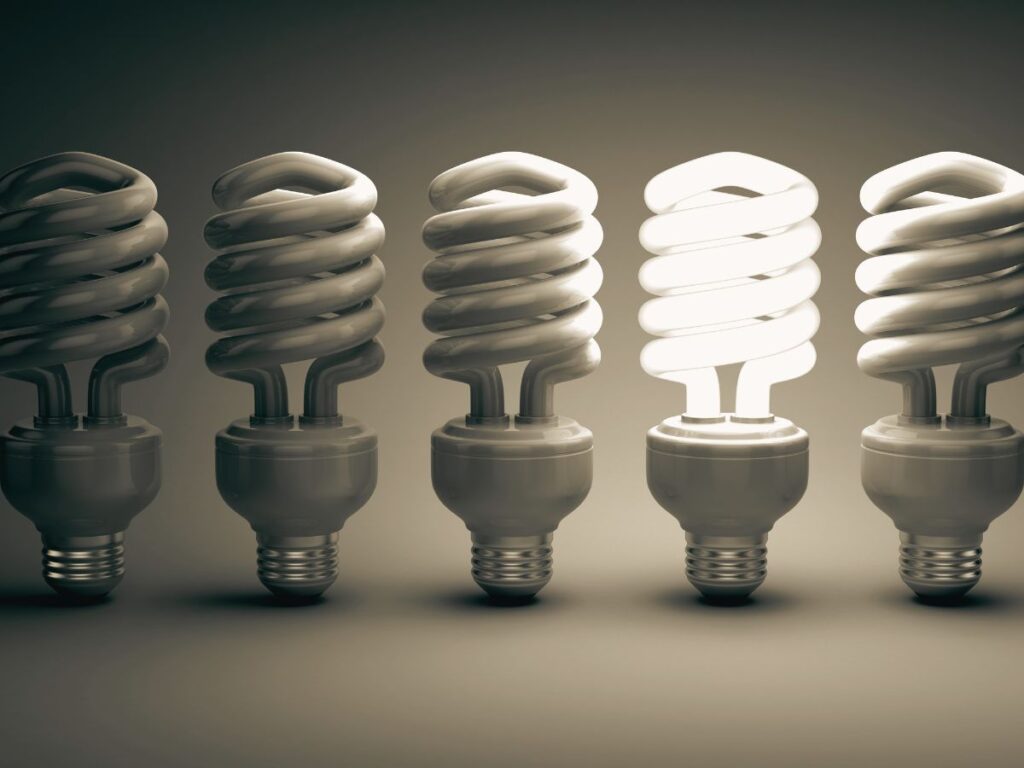
Focus on radiators, not drains
Plan and prioritise the people and activities that give you energy, your radiators. At the same time, notice what drains you. This might be low-value tasks or even certain relationships. Where you can, reduce, delegate, or put things on hold.
02
Stay properly hydrated
Your body and brain rely on water to function, and even mild dehydration can impact your energy levels. If you experience hot flushes or night sweats, it’s even more important. I haven’t always been great at hitting 2 litres a day, but I notice the difference when I do.
03
Eat for energy
When life gets busy, it’s easy to rely on ready meals. I’ve definitely been there. But they’re not always the most nutrient-dense. I found myself stuck in a cycle of low energy and low motivation to cook. Lately, I’ve been a bit more planned and prepared, keeping simple, nutritious options on hand that I prepare in advance or that don’t take much effort. It has made a difference, and I’ve been less likely to reach for chocolate to see me through.
04
Move your body
Movement is one of the quickest ways to boost your energy, even when it’s the last thing you feel like doing. It doesn’t have to be intense, it can be as simple as a short walk or some light stretching or even cleaning can be enough to change how you feel. I use a 10 min rule usually, if I don’t feel any better after 10 minutes of exervise then I stop and allow myself to rest, but more often than not, once I get going I really feel the benefits and boost.
05
Focus on one thing at a time
Constantly switching between tasks can be more draining than we realise. My word of the year has been focus – its still a work in progress but I’ve discovered that when I focus properly on one thing at a time, I am more productive, it uses less energy and then I also get a boost from ticking things off my list!
Fatigue can feel like its hard to manage and it can feel frustrating at times. Be kind to yourself and notice what your body needs and make small consistent changes to help.
Small disclaimer: we may earn a teeny commission if you buy something from any affiliate links on our site.