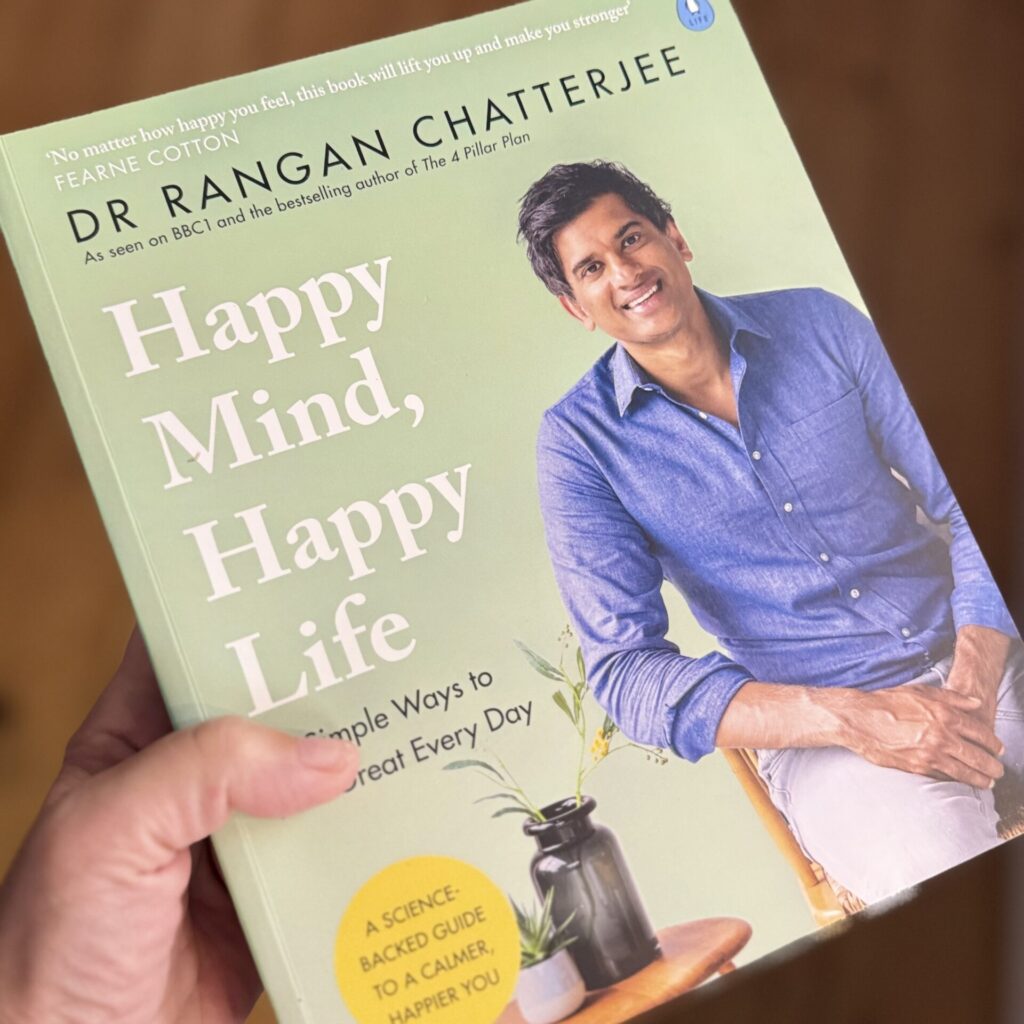
On the 2 occasions I’ve finished active cancer treatment for breast cancer, it wasn’t the bell ringing experience you might imagine. The first time, there wasn’t even a medic in sight to wave me off onto my new post-cancer life. Just my friend filming and celebrating the occasion.
It feels like it should be a milestone to celebrate.
In reality it’s when the hard work begins.
When treatment ends and you’re no longer being dictated by medical appointments, it can feel a bit scary and quite isolating. It’s when the enormity of what has happens to you catches up with you. It’s when you hope to feel better, and often feel worse.
And like many women, you may also be grappling with cancer induced menopause – the often unspoken side effect of cancer treatment.
I learned the hard way. I wanted to get back to normality as quickly as possible. I pushed myself to get back to operating at the level and pace I had been before breast cancer.
And the outcome: I was all over the place, both in terms of physical energy and with my emotions. It felt like a rollercoaster, and even more unpredictable than the one I thought I had just got off
It took a while but I eventually learned that recovery post treatment is not linear. It is a gradual process. It’s a time for more patience.
01
Give yourself permission to feel up and down.
Finishing treatment is not an instant return to normal, however much you want it to be. The physical and emotional effects linger and often, the enormity of what you’ve been through only hits once the appointments stop. It’s completely okay to feel up and down. Recovery is not linear, and there is no right way to go through it.
02
Build a daily routine with small, realistic goals
Structure really helps post-treatment. A simple daily routine, with small, achievable goals, can create a sense of progress and purpose and in turn can help boost your confidence and motivation. Tip: record a small win each day, they add up.
03
Listen to your body: rest, move, repeat
Nap when your body needs it. Exercise regularly, research shows it can reduce the risk of recurrence and helps manage fatigue. But know when you need to take a break.
04
Indulge in the things you enjoy
Recovery is the perfect time to ‘indulge’ in the things you love. Doing things you enjoy can be so restorative and they don’t need to be big things – could be as simple as a walk listenting to your favourite music or podcast, a catch up with a friend who can lift your mood, or losing yourself in a book. In my case, knitting wins every time. Prioritise these people and things.
05
Reach out. Support is there.
You don’t have to navigate this all alone. There are plenty of organisations which offer support:
Menopause and Cancer offers some brilliant community support sessions
Breast Cancer Now have a super service called Someone like me
Working With Cancer can connect you with a coach to help navigate the challenges of returning to work.
Macmillan and Maggie’s have a range of services.
The main message here is ask for help.
If I can leave you with this one message: be kinder than kind to yourself — kinder than you would be to anyone you know.
Small disclaimer: we may earn a teeny commission if you buy something from any affiliate links on our site.