It’s really hard when you have your midlife interrupted – all of a sudden change happens and it can be hard to trust your body, yourself and plan ahead with confidence. For me, after not one but two breast cancers and the impact of treatment, all I wanted was to feel better. I wanted to have the same energy I once had and to feel stronger again, both physically and mentally.
I wanted to do more than just survive – and I knew I needed new ways to get there and it would take action. I love having books to dip in and out of for practical tips and actions. Here are 5 Non-Fiction Books That Helped Me Thrive.
01
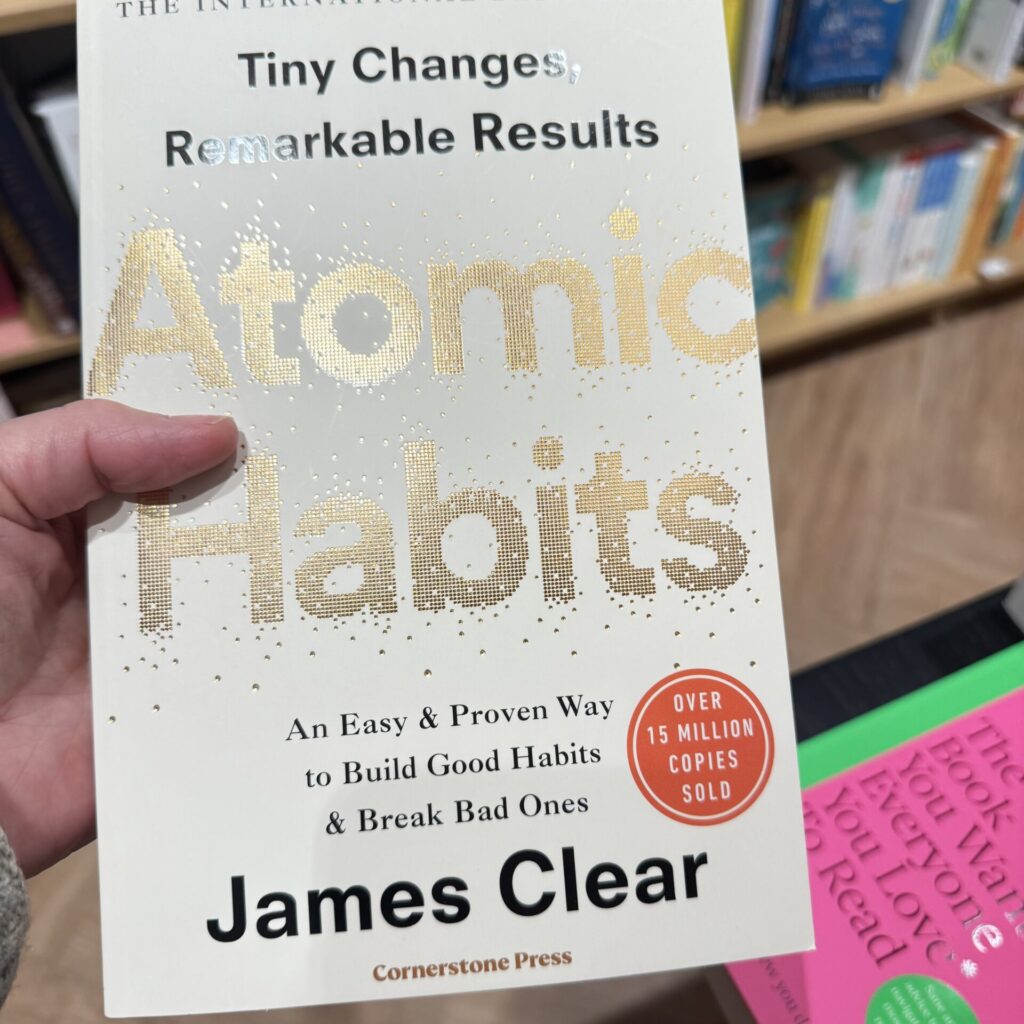
This book breaks down how small, consistent changes create big results.
There are so many suggested tips you can make to bring small changes into your life that eventually have big results – from habit stacking to environment design.
How I’ve used what I learned: I am a huge fan of habit stacking, pairing something that I know I need to do with something more enjoyable – like cleaning whilst listening to a true crime podcast or strength training whilst watching something enteretaining on TV.
I’m really looking forward to this workbook that’s coming soon.
02
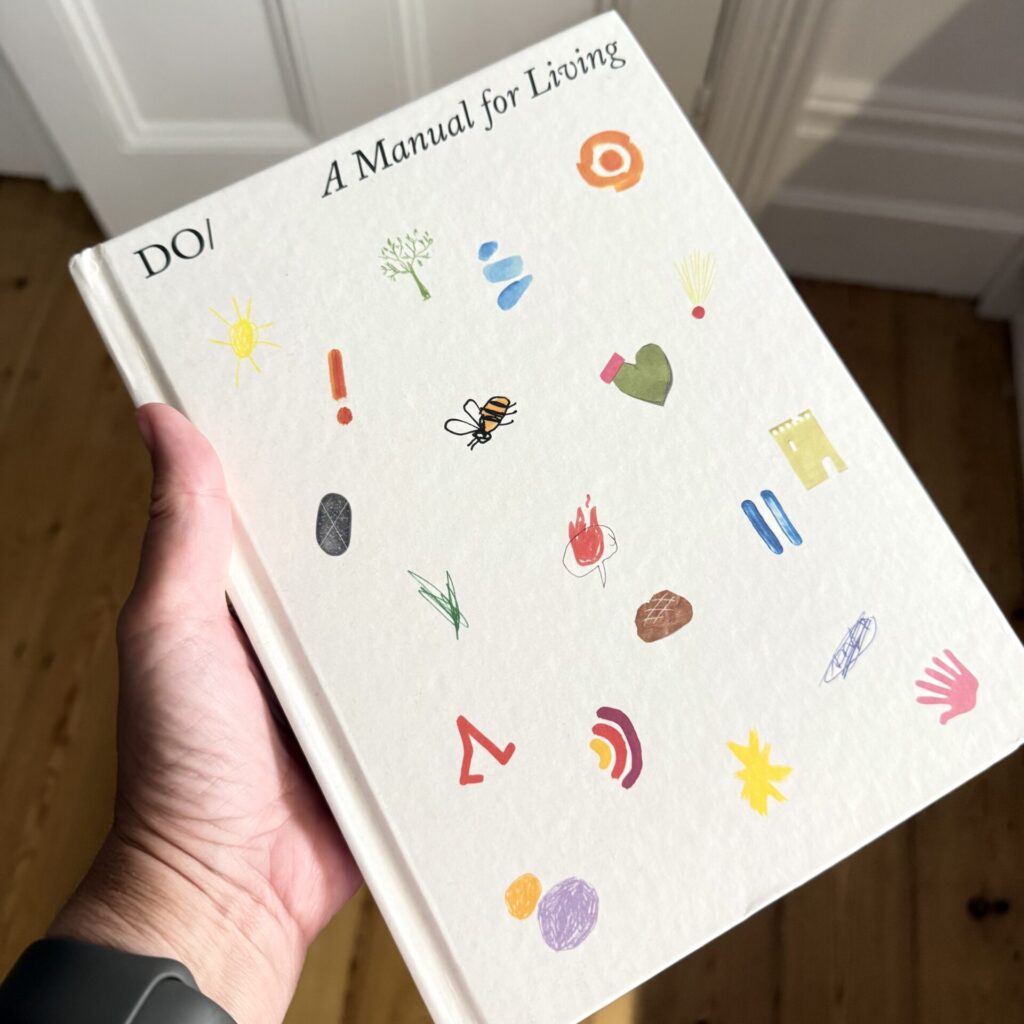
The Book of Do – The Do Lectures
This is a book about disruption, doing things differently and having ideas that can change your world. It’s a book full of practical exercises and tips for generating ideas and creating change. It focuses on the art of doing and reframes the concept of wellbeing into ‘welldoing’
How I’ve used what I learned: I was gifted this book right at the same point when I had time on my hands and when I was first navigating my midlife interrupted. I wasn’t sure of my purpose or future plans – this book helped me define those and kept me busy for a few weeks. Its also a great book to return to to spark creativity and guide you into action. As someone who loves taking action – I am fully onboard with the concept of ‘welldoing’.
03
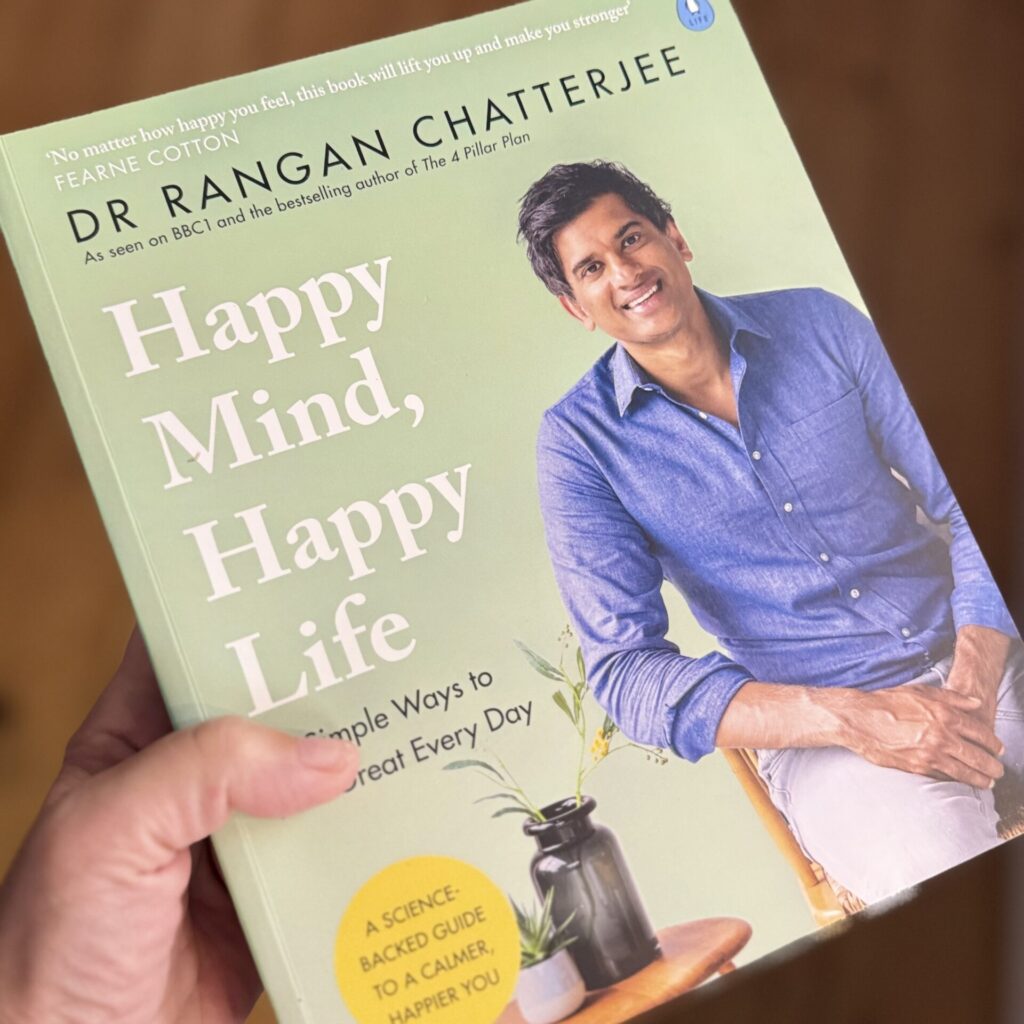
Happy Mind, Happy Life – Dr Rangan Chatterjee
Dr Chatterjee shares science-backed, easy practices to improve mental health. Although the book says there are ’10 ways to feel great every day’, there are so many more ideas than just 10!
The book is full of relatable success stories and practical exercises to create a happy, calm mind.
How I’ve used what I learned: This has so many easy to implement things. I’ve taken on board planning ahead to reduce choice – which can be a micro stress. I’ve embraced seeking out friction and am learning the things that trigger me or cause me to feel tense. And I’m definitely using Chaterjee’s tips to have a healthier relationship with my phone.
04
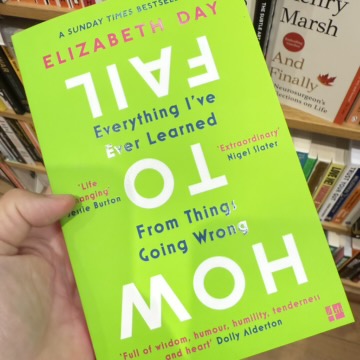
Elizabeth Day is brilliant. If you haven’t listened to her podcast How to Fail, then why? Like the podcast which explores positive failures of her guests, her book reframes failure as a way of learning. The book makes you less afraid of setbacks by showing how they create growth.
How I’ve used what I learned: Since reading this, every time I’ve done something which feels like I’ve failed or its been a failure, I really stop and remind myself what I’ve learned through the process and experience. There is always something good to take away.
I’m so excited for Day’s new novel One of Us.
05
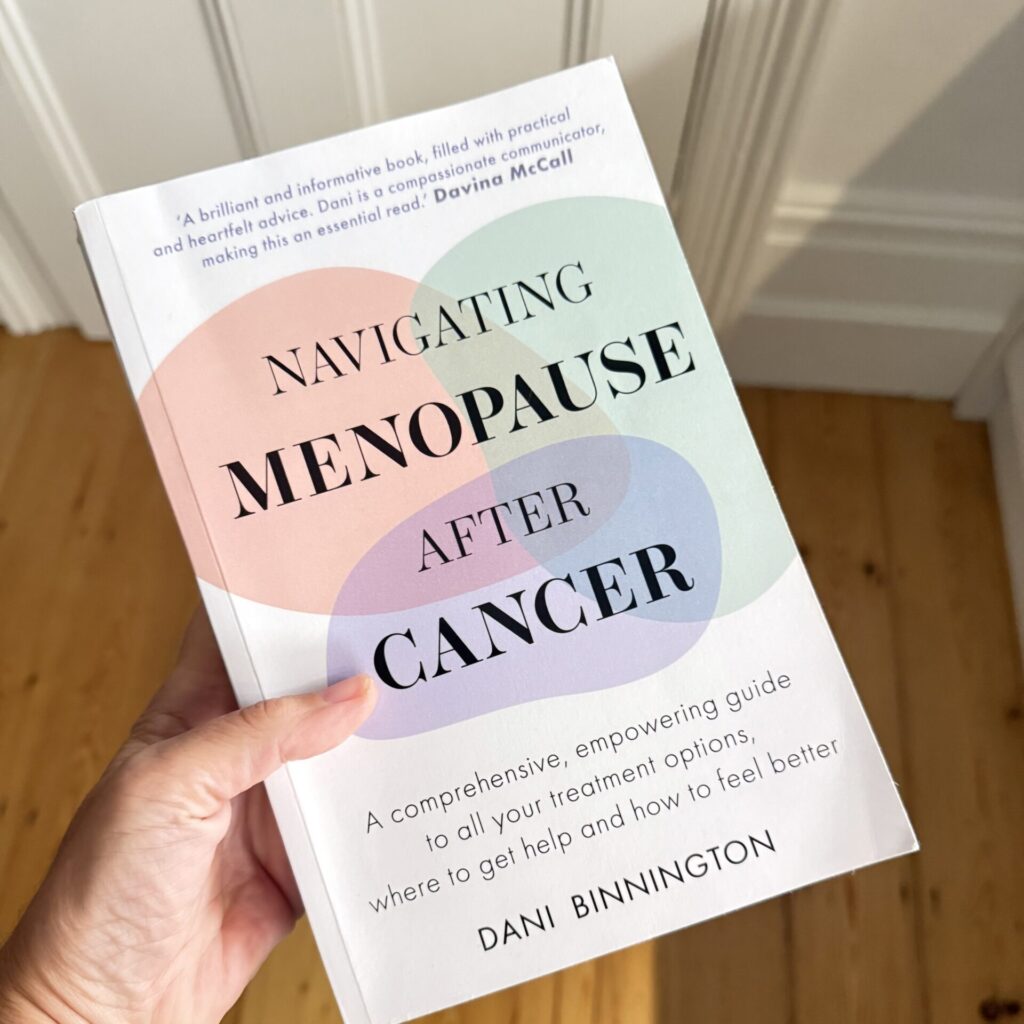
Navigating Menopause After Cancer — Dani Binnington
Written by someone who’s been there, this book is a lifeline for those navigating cancer-induced menopause. Dani Binnington shares clear exper-led advice on managing symptoms, from hormone and non hormone options to lifestyle changes – this book has it all.
How I’ve used what I learned: What haven’t I used from this amazing book? Yes it’s geared towards anyone in menopause after cancer, but I would argue that anyone experiencing menopause could learn something from it too.