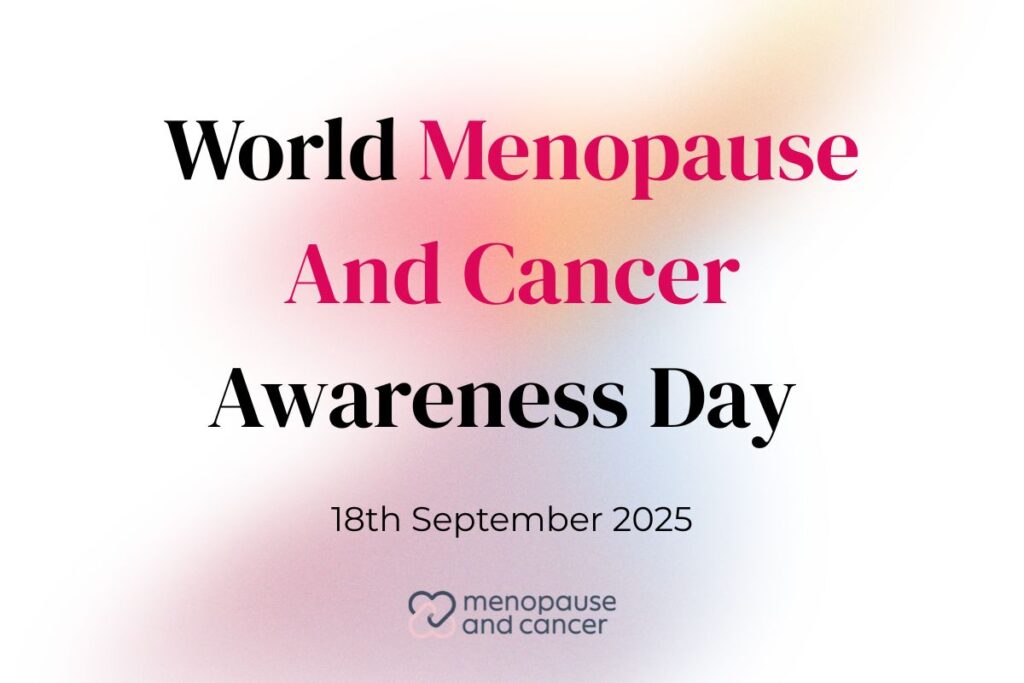
18th September – World Menopause & Cancer Awareness Day
This year marks the first World Menopause & Cancer Awareness Day. Menopause is often the unspoken side effect of cancer treatment. Except we’re now talking about it!
When I was diagnosed with breast cancer, I knew I would need to stop HRT (even if my health care team didn’t at the time!). I was terrified of the feelings of anxiety and the loss of confidence creeping back in. In those early months, it was hard to tell what was cancer induced anxiety or a drop in hormones.
And then came treatment – the drugs meant to reduce my risk of recurrence – first Zoladex and chemotherapy. Closely followed by the addition of Tamoxifen. And when those ‘failed’ (yes that was the word used by my oncologist when my cancer returned), I was prescribed good old Letrozole and once again Zoladex!
The impact was instant. Hot flushes 20-30 times per day so bad that I would often be stripping down to a vest in the middle of the street. Night sweats which mean I never slept an entire night or even 2 hours without waking. Joint aches that left me only able to shuffle around each morning as I waited for everything to ease up. I contended with the stress and embarrassment of brain fog mid work meetings as I grappled to find what I wanted to say. It really impacted my confidence. To say it was and is tough is an understatement.
But what is even tougher – is getting support from the medical team prescribing the drugs which have these side effects. I personally have had 2 contrasting experiences in the same clinic – one oncologist telling me to take a supplement, another going into great detail about how to manage each and every symptom.
And sadly that remains the challenge across the country and even globally. I’ve said it before – getting support for perimenopause and menopause is hard, throw a cancer diagnosis into the mix and its near on impossible.
That’s why World Menopause and Cancer Awareness Day is needed – we are calling for change. Join us on 18th September – from wherever you are in the world and become part of this movement.
The changes we are calling for
01
We are calling for menopause support to be embedded into pre-cancer treatment discussions and long-term cancer care planning.
02
We are calling for improved training for healthcare professionals.
03
We’re calling for better access to therapies and specialist care — so everyone living with and beyond cancer can manage menopause safely and effectively.
And if you do find yourself in menopause as a result of cancer treatment, here are some things that may help:
Get Informed About Your Options
Cancer-induced menopause can feel overwhelming, and not all oncologists have the time to explain every aspect. Ask for a referral to a menopause specialist (especially one with oncology experience) and explore non-hormonal options if HRT isn’t suitable. Menopause and Cancer is an excellent place to find resources.Track Your Symptoms
Keeping a diary of hot flushes, sleep issues, mood changes, or joint pain helps you spot patterns. This record makes it easier to have focused, productive conversations with your GP or specialist about what’s affecting your quality of life most. And you might notice some triggers which enable you to make an ongoing change. (I know that stress triggers my hot flushes).Build Your Support Network
Find people who understand – whether it’s a peer support group (online or local), a trusted friend, or a community like Menopause & Cancer. Sharing experiences can reduce isolation and give you practical coping strategies from those in the same boat.Support Your Body Daily
Small changes can make a big difference:Exercise and stay active – weight bearing/strength building exercises can help protect bones and joints. Dancing can help both heart and brain. And my favourite go to is running.
- Diet – Focus on a balanced diet: plenty of protein, calcium, whole grains, colourful fruit & veg, and healthy fats to support bones, heart, and overall energy. And also track any food triggers – eg some spicy food can increase hot flushes.
Practice stress-relief techniques (yoga, meditation, journalling, knitting, walking) to calm the nervous system.
Advocate for Yourself
You are the expert on your own body. And your medical team are your partners in any decision about your care and treatment. If you feel dismissed, ask for a second opinion or push for specialist referral. Bring a written list of questions to appointments. Being prepared ahead of appointments can help you feel more in control and ensure your needs are heard.
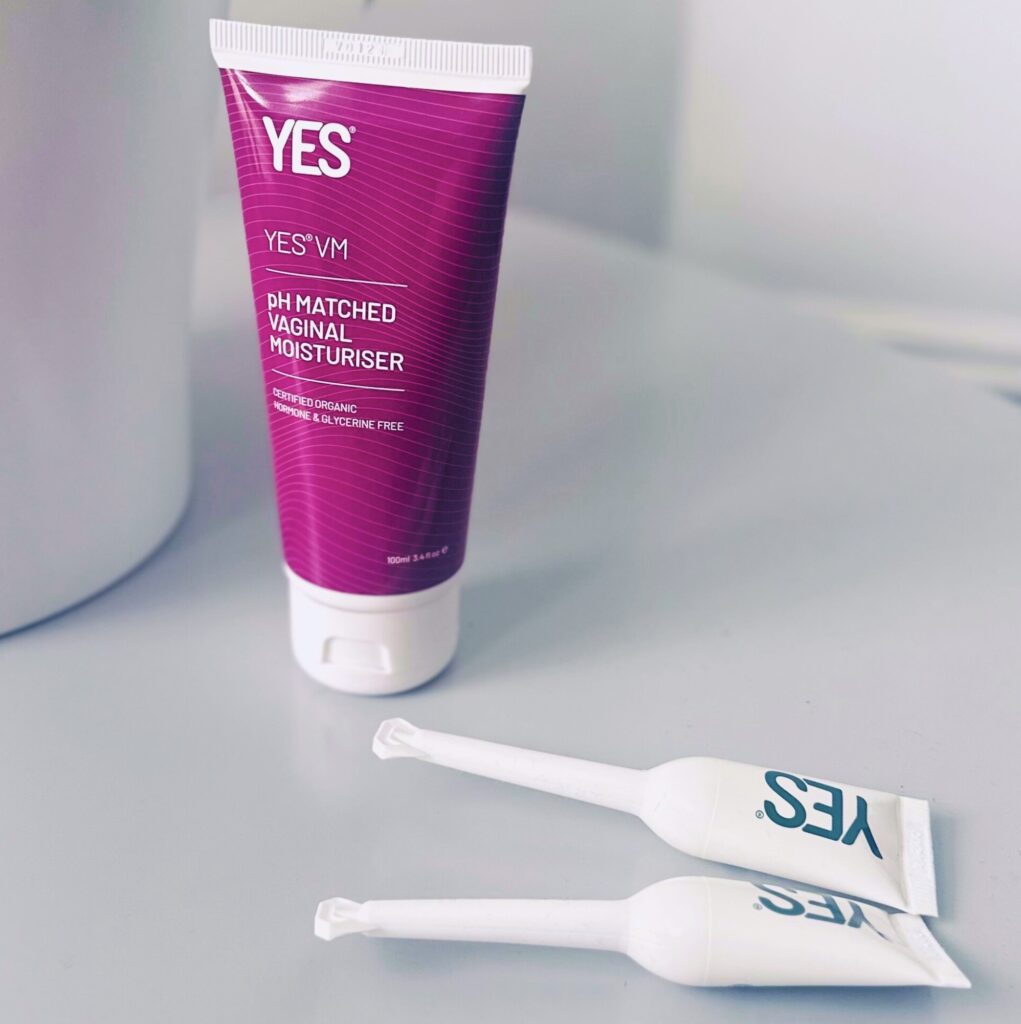
Some useful items