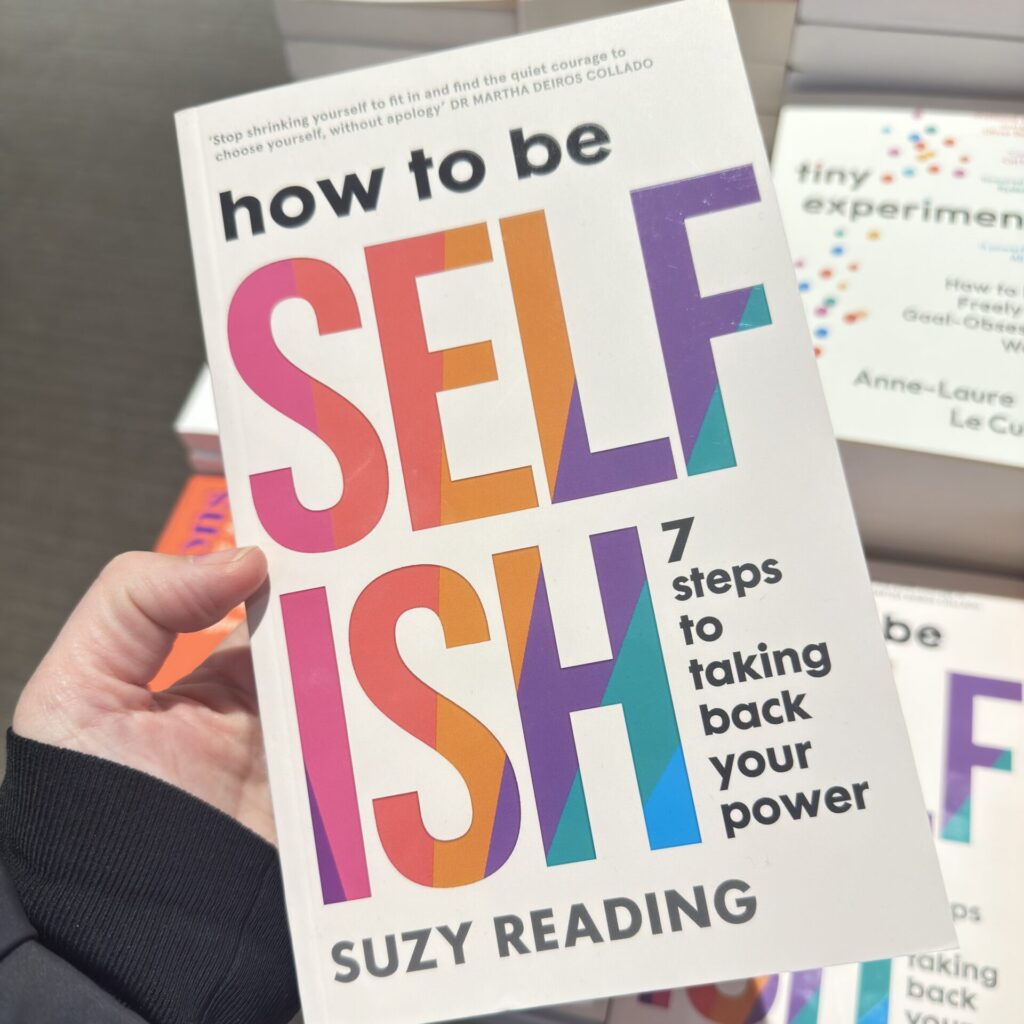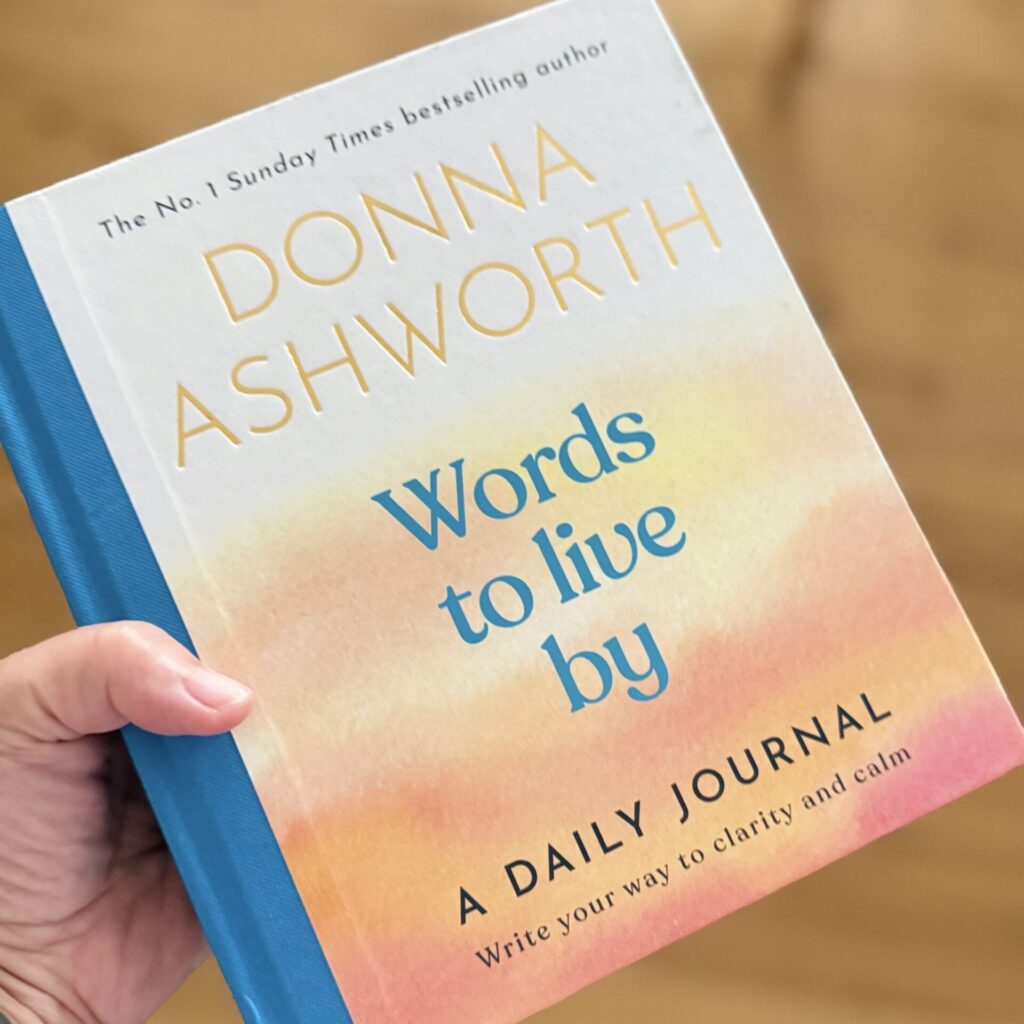
Over the last few years, I’ve built a skill – advocating for myself. It may come as a surprise to learn that I wasn’t particularly good at this. I appear confident. I am confident in many situations. BUT I realised that when faced with an authority figure, someone senior and/or perceived to be wiser, more of an expert and often in a formal setting, I would crumble. Or at least I used to.
Looking back, at work, I realise I was far better at proving my value, than advocating for myself. I could talk confidently about my skills in an interview and deliver strong results day to day. But when it came to advocating for myself, whether it was a pay rise, progression or major workplace change, I struggled. I didn’t lack ability. I knew exactly what advice I’d give someone else, I just struggled to follow it myself.
Advocating for my health has also historically not been a strong point at times. On the whole my GP is great, knows me and always checks what research I might have done before my visit. But when dealing with an unknown health expert, someone with far more technical knowledge than me, I have always deferred to them. Believing it was unacceptable to question their expertise. And not being aware that I am in actual fact the expert of my own body and that any health conversation or decision should be done in partnership.
Why can It be so hard to advocate for yourself?
I blame my people pleasing nature and I don’t like confrontation. For many people its often a case of not wanting to cause a fuss, wanting to keep the peace. Sometimes its about being respectful to others and more often its about putting other’s needs before our own.
And on top of that, in midlife, the good old hormones can throw any confidence we have into chaos. Add brain fog into the mix and sometimes we don’t feel as sharp as we once did which makes speaking up even harder too.
What changed?
For me, midlife has forced me into advocating for myself – at least where my health is concerned. I first did it when perimenopause hit (well 18 months after because no one talked about the symptoms as much then and it took me a while to work out what was going on) and then I built those skills more through breast cancer and beyond.
Recently, I’ve been navigating some tough side effects of my endocrine therapy – to reduce my risk of cancer recurrence. I’ve had appointments where I’ve asked questions of my healthcare team that have caused some frustration. Its made me feel uncomfortable for a bit, but I’ve also had a better outcome than I would have had if I hadn’t advocated for myself.
These are the things I’ve learned that may also help you if you need to advocate for yourself too.
01
Prepare
Whether its for an appointment or a meeting – prepare. Note down any questions. Think about the ideal outcome (even if its just to have your questions answered).
02
Build knowledge
The more informed you are, the stronger you will feel. If it’s a salary conversation, know the band you are asking for and why. If it’s a medical appointment know your symptoms or do some research about your condition.
03
Communicate clearly and simply
Don’t over explain. Say what you need to then stop. When we feel uncomfortable, we tend to over-explain. We justify and we add context that isn’t necessary.
And its also important to point out to speak calmly too, raising your voice or showing frustration never helps. Sometimes easier said than done in a high pressured situation. The key is speaking confidently but without agression.
04
Take your time
If asked to make a decision or if something unexpected comes up, then take a pause if you need to. Ask for clarification. Ask for time to think and if possible schedule a follow up.
05
Accept that you might feel uncomfortable afterwards
If you’re not used to questioning things or perhaps not being compliant, it can feel awful afterwards but remember that feeling will be short lived and you’ll come to realise the benefits of your advocacy will outlast the feeling of discomfort (and something I always say – discomfort is growth).
I still don’t find it easy. I still find myself sometimes backing down or feeling frustrated because I don’t want to go into conflict. But I now know that staying silent costs me more than asking the question ever has. And that, as uncomfortable as it can be, has changed more than any pay rise or diagnosis ever could.