
There’s been a lot of talk about the arrival of the Fire Horse in 2026 and a change in pace after the Wood Snake year of 2025. New energy. Forward motion. Fresh starts. Feels quite exciting really!
And whilst I like the idea of this sort of reset, one that feels positive rather than something to fear, it has got me thinking about change more generally.
We tend to welcome change when we choose it. A new job. A house move. A decision made. It feels so empowering. And we also try to drive wider change especially when it comes to something we feel passionately about or where there is inequality.
It’s the uninvited or unexpected change that doesn’t always feel so great. And its often this type of change that can leave us feeling resistant to it, fearful of it, but in my experience can also bring about some good.
They say change is the only constant in life, in midlife it definitely feels more of a constant constant.
Everything from hormones, to family to careers seem to be in flux. Hormones haywire through perimenopause and menopause. Children growing up. Parents ageing and roles reversing. Careers evolving or ending.
I experienced enforced, unexpected change with breast cancer. After my first diagnosis, I was thrown into a world unknown where work was not my priority. After treatment, I was determined to get back to “normal”, back to work in a flash and pushing myself to return to the top of my game. And then came the second diagnosis and a realisation that I actually had to make some changes to the way I was living. It made me question the pace I’d returned to and the pressure I put on myself. It left me questioning if my old “normal” life was what I really wanted.
Change happens whether we like it or not. I think learning to adapt and adjust to it rather than battling against it can make all the difference.
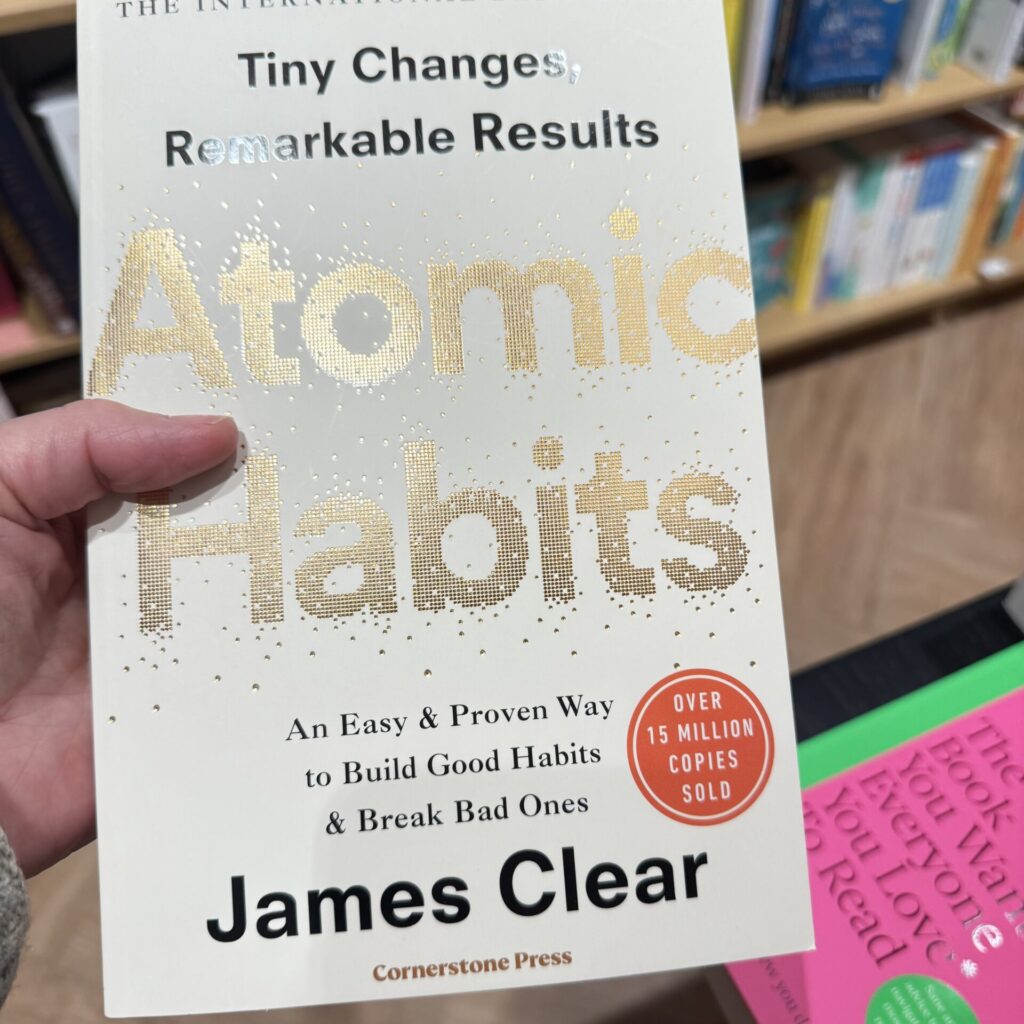
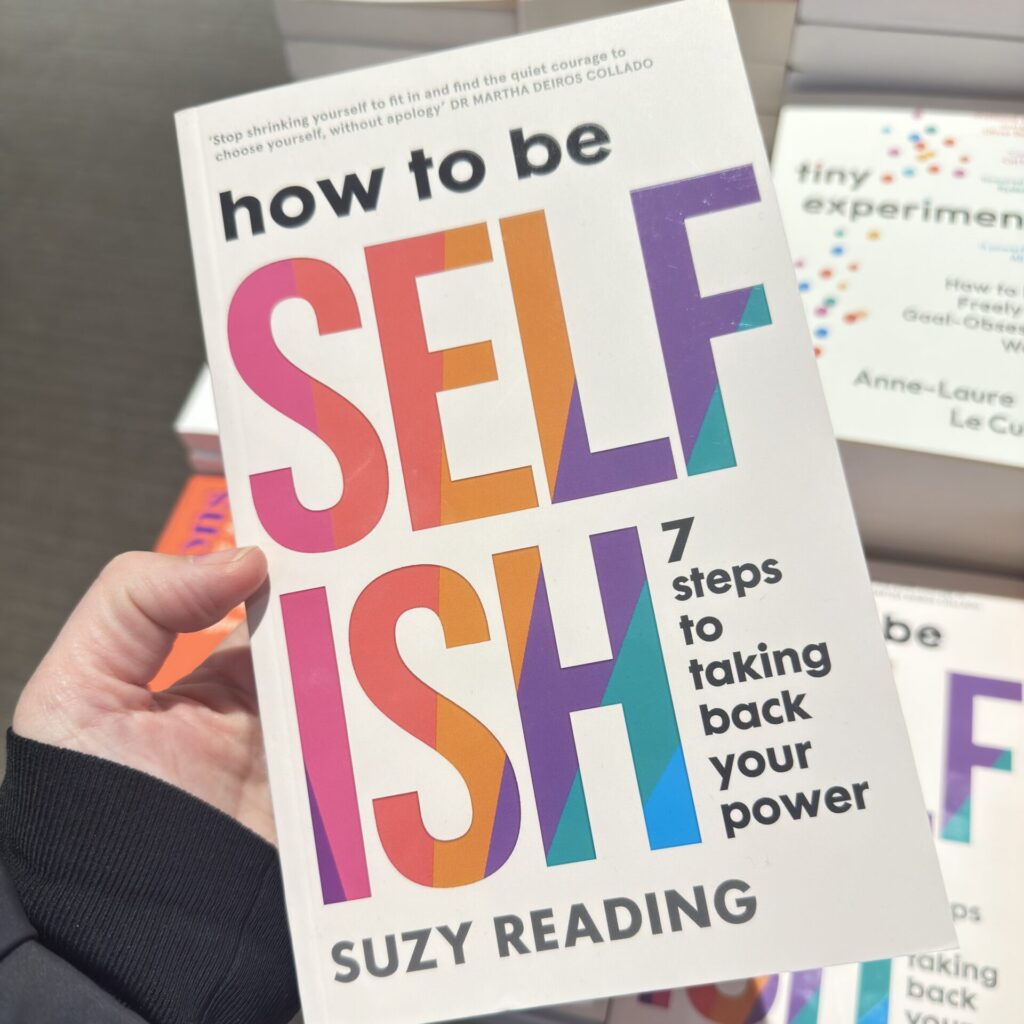
Here are 5 things that help me now manage change
01
Focus on the controllable
We may not be able to control the situation itself, but we can control how we respond – our mindset, what we prioritise, and the next action we take.
02
Think short term and keep some consistency
The next hour. The next day. The “One step at a time” approach, however much I hated hearing it at the time, works. And when things feel all over the place, keeping some sort of routine helps eg a morning walk, going to a weekly exercise class, a weekly catch up with friends.
03
Don’t rush to fix everything
As a natural problem-solver, I want an immediate solution. But I’ve learned that not everything needs to be resolved straight away. Sometimes patience is the way forward. Sometimes letting things unfold gives you a clearer answer than forcing one.
04
Be informed – emotionally and practically
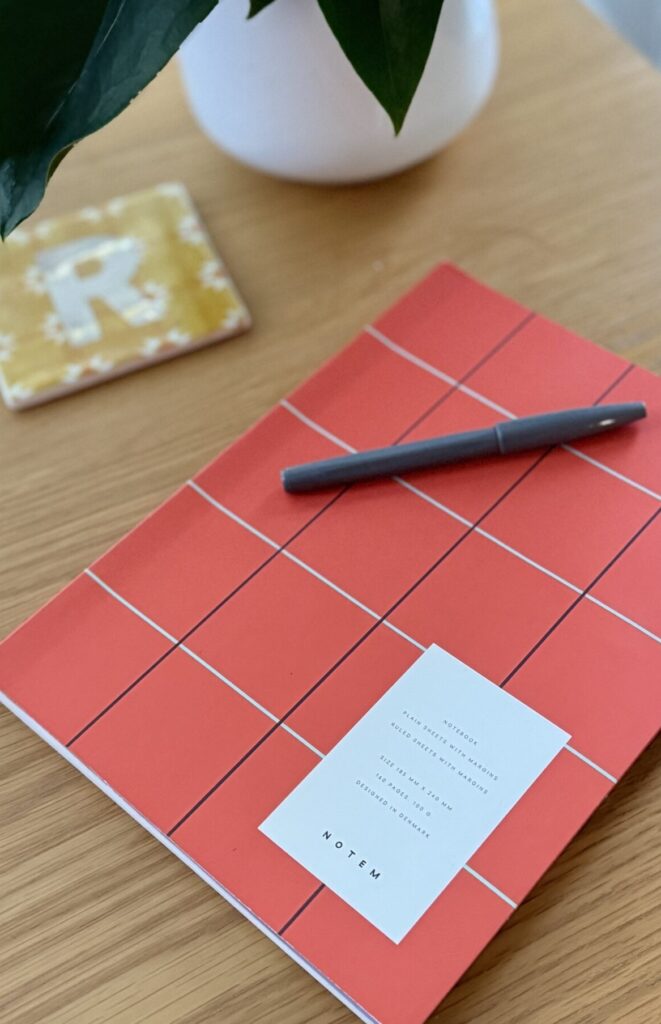
It’s important to listen to how you’re feeling. I do that through journalling most mornings; it helps me put emotions into perspective. At the same time, understanding the practical realities of a situation can restore a sense of control. When I went through breast cancer, being informed about the disease itself and treatment options made me feel less powerless and more in control when everything felt far from it.
05
Celebrate the small wins and get support
Its great to have someone to talk with during periods of change – whether we’ve instigated them or not. Chatting to a friend, or seeking advice from a professional or as part of a support group can be so useful and insightful.
And I have found that when change feels uncomfortable it is really uplifting and beneficial to notice small daily wins. I’ve found that when I look for the positives, I genuinely start to see more of them.
So yes, change can feel forced, uncomfortable and at times unfair. But it can also be clarifying. It can bring us back to what really matters. It can even be exciting and positive even if it doesn’t feel that way at first.
The Fire Horse is said to symbolise courage and momentum. I’m not sure I need momentum, but I do value courage.
And, finally, its useful to remember that we’ve handled change before and we will again.