Since going into a medical menopause, I’ve experienced all sorts of symptoms from hot flushes to joint ache to anxiety, and unsurprisingly sleep disruption has also been one of them. I have no problem getting to sleep, it’s that I can’t stay asleep throughout the night. Either I’m woken by a sweat, the urgency to go to the loo, or the weirdest one of all, needing to eat.
In my adult life, I’ve never been the best sleeper. Often burning the candle at both ends, then making up for it with a sleep marathon at the weekend, not to mention being fuelled by stress. So in some ways menopause has just brought an old issue back round again, but more ferociously and at times it felt like with no respite. A complete inability to get enough good sleep.
It can be quite stress-inducing when you’re struggling with sleep because of cancer-induced menopause, especially when you’re bombarded with “helpful” messages about the importance of sleep for long-term health. All you want to do is protect your long term health and one of the ways to do this seems completely illusive. It can feel unfair.
But I’ve been tackling it. And although I don’t consistently get the magic 7 to 9 hours without some interruption, I feel so much calmer about it, and much better equipped to manage it.
Here’s what’s helped:
01
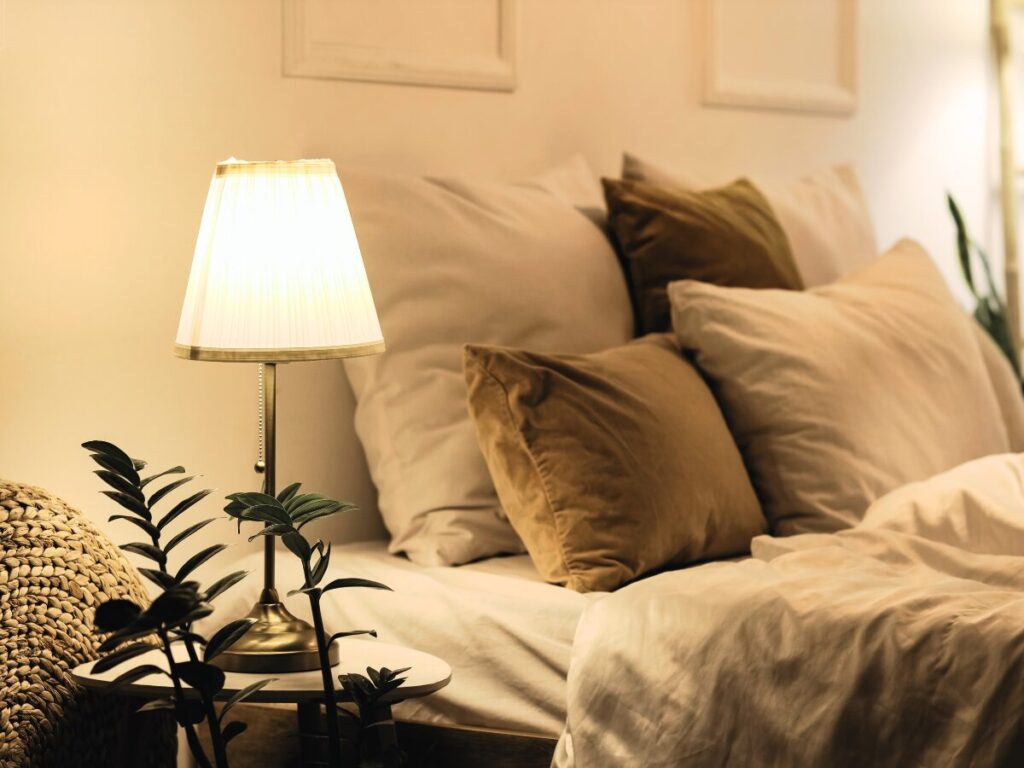
Create a sleep-friendly environment
Temperature regulation is key, especially if you’re dealing with hot flushes or night sweats, so keeping the room cool matters. I use two wool duvets to accommodate my ever-changing temperature, and a cooling pillow has been a game-changer. Blackout blinds make a big difference too, useful year-round for deep sleep, and especially good in summer or if you need an afternoon nap. A few drops of lavender essential oil on my pillow helps me wind down as well.
02
Stick to a routine
I try to keep a consistent sleep schedule, going to bed at the same time each night and getting up at the same time each morning, along with a proper wind-down routine:
- A warm bath, most nights (in winter, maybe not in this heat). It helps get the body ready for sleep by raising body temperature, which then cools quickly and triggers sleepiness. I add a blend of essential oils too.
- Three minutes of 4-7-8 breathing (inhale for 4 seconds, hold for 7, exhale for 8), which I do while wearing my LED mask, habit stacking.
- A few pages of a book, no screens. I’m currently reading Dissection of a Murder by Jo Murray, I’m really enjoying my nightly reads at the moment.
03
Move during the day
Exercise and physical activity can massively improve sleep quality, but timing matters, for me at least. If I work out too late in the day, it has the same effect as an evening coffee, wired, not tired. So if am doing any real heart raising exercise, like running which I love, then its done in the morning and in the evening I try to get a walk in after dinner.
04
Manage stress during the day, not just at bedtime
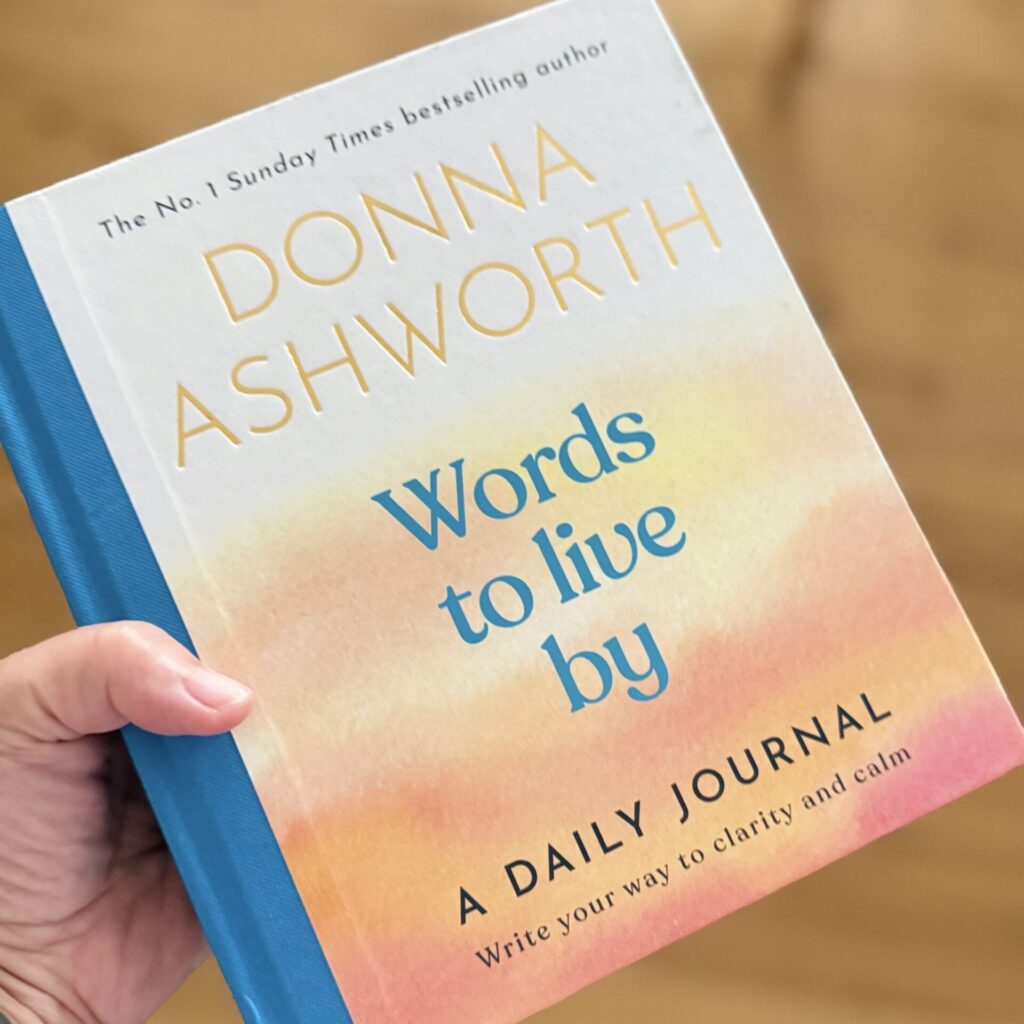
I also know if something is on my mind and causing me stress, it will wake me up so I try to find ways to reduce stress before I even get to bed. Often I journal about any issues, stresses or worries, to get them out of my mind. It helps, and I’ve noticed a difference but its not totally eradicated this.
05
Tackle the underlying issues, and speak to a doctor if you need to
If your sleep continues to be a challenge despite you making lifestyle changes, its good to see a doctor and present and discuss the reasons for or symptoms causing the sleep disruption. It maybe there is a medical option to help.
I’ve now been prescribed vaginal oestrogen, which has reduced the need to go to the loo in the night. I also had a fasting blood test to check there wasn’t a medical reason for needing to eat in the night, all was fine so that one remains a mystery.
Knit HappensFinally, if I do wake up in the night, I have some techniques to help me drop back off. One is to count backwards, its like counting sheep and it actually works. There are great relaxation meditations on insight timer or you tube. I sometimes switch on a podcast if I need something to really distract me and if all else fails, I get up and do something calming like knitting.
None of this means I sleep through the night perfectly now. I still wake up, most nights, one way or another. But I wake up less often than I used to, and when I do, I’ve got a much better idea of what actually helps, instead of just lying there hoping it’ll pass. Or worse tossing and turning all night long.
If you’re navigating menopause after cancer and finding sleep is one of the harder parts, I’d love to hear what’s worked for you too.
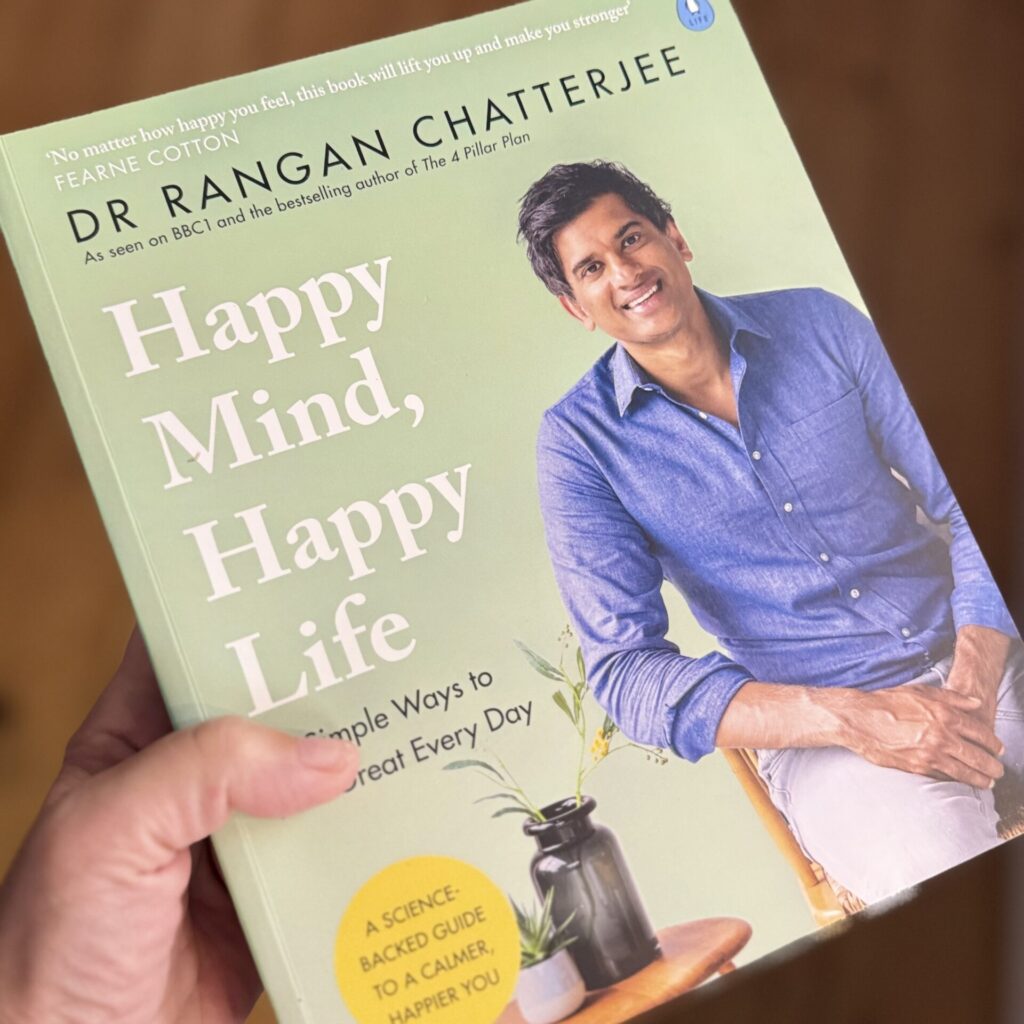
Here are some more resources to help:
We may earn a small commission if you buy something from any affiliate links on our site